Horse Hoof Thrush: What It Is, Why It Happens, and How to Get Rid of It (for Good)

Horse Hoof Thrush: What It Is, Why It Happens, and How to Get Rid of It (for Good)

If you’ve ever picked out your horse’s feet and been hit with that smell, you already know thrush when you meet it. Horse hoof thrush is one of the most common — and most misunderstood — hoof issues out there. The good news? It’s usually manageable. The bad news? Ignore it, and it can turn into a real problem fast.

Let’s break it down in plain English.


What Is Thrush in Horses?

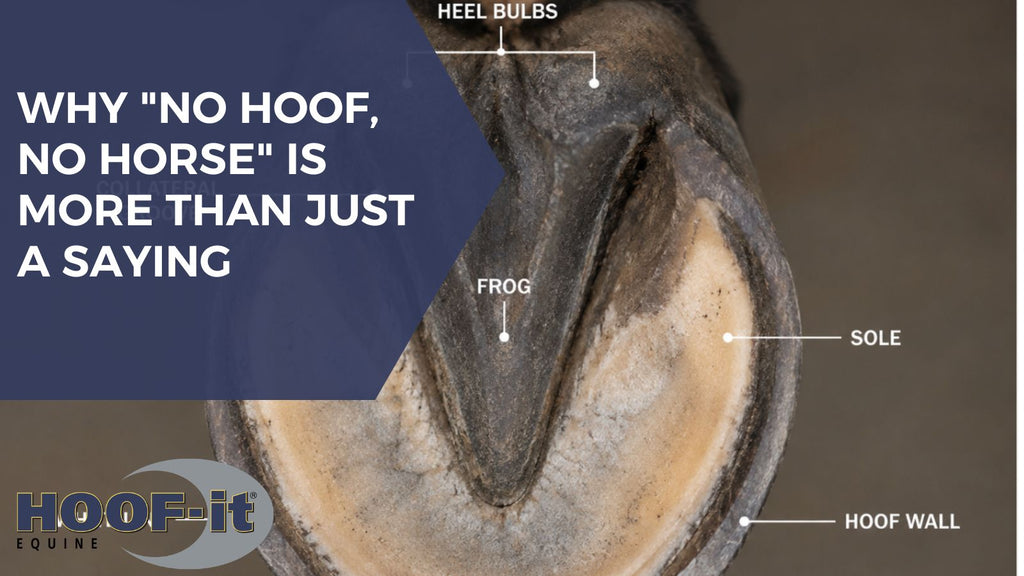
Thrush is a bacterial (and sometimes fungal) infection that attacks the soft tissue of the hoof — most commonly the frog and central sulcus. It thrives in moist, dirty, low-oxygen environments, which is why it’s so often linked to wet stalls, muddy turnout, or neglected hoof care.

Common Signs of Hoof Thrush

  • Strong, foul odor when picking feet

  • Black or dark discharge in the frog grooves

  • Soft, crumbly, or “melting” frog tissue

  • Tenderness or sensitivity when cleaning

  • Deep cracks in the central sulcus (advanced cases)

Thrush doesn’t always cause lameness at first — which is exactly why it gets ignored longer than it should.


What Causes Thrush?

Contrary to popular belief, thrush isn’t just a “dirty barn” problem. Horses with great care can still get it.

Common causes include:

  • Prolonged exposure to wet or muddy footing

  • Infrequent hoof picking

  • Poor hoof balance or contracted heels

  • Lack of airflow to the frog

  • Compromised immune system

Horses with deep central sulci or underrun heels are especially prone because bacteria can hide where air and treatment can’t easily reach.


Can Thrush Be Dangerous?

Yes — if left untreated.

Mild thrush is mostly unpleasant. Chronic or advanced thrush, however, can:

  • Cause persistent lameness

  • Lead to deep tissue infection

  • Damage sensitive structures of the hoof

  • Contribute to heel pain and long-term soundness issues

Thrush isn’t just cosmetic. It’s a hoof health issue.


How to Treat Horse Hoof Thrush

Step 1: Clean It Out (Really Well)

Pick the feet daily. Remove all debris and expose the frog so air can get in. Thrush hates oxygen.

Step 2: Apply a Proven Thrush Treatment

Skip the mystery concoctions and use a product designed to kill thrush bacteria while supporting healthy tissue.

👉 A product many farriers and horse owners trust is B-Gone, which helps eliminate thrush while being gentle on healthy hoof tissue.

Why this matters: harsh treatments can kill bacteria and healthy tissue, slowing healing.

Step 3: Improve the Environment

  • Keep stalls as dry as possible

  • Rotate turnout if mud is unavoidable

  • Increase airflow to the hoof (trim balance matters!)

Step 4: Support Overall Hoof Health

Nutrition plays a role. Balanced minerals and proper hydration support stronger hoof structures, making it harder for thrush to take hold in the first place.


How Long Does Thrush Take to Heal?

  • Mild thrush: 1–2 weeks with consistent care

  • Moderate thrush: several weeks

  • Deep sulcus or chronic thrush: months, with farrier involvement

Consistency beats intensity. Daily care matters more than nuking it once a week.


Can Thrush Be Prevented?

Mostly, yes.

Thrush prevention tips:

  • Pick hooves daily (even on days you don’t ride)

  • Schedule regular farrier visits

  • Address heel contraction early

  • Don’t ignore that “slightly funky” smell

  • Treat at the first sign — not the worst one

Thrush loves neglect. Attention is its kryptonite.


Final Thoughts on Hoof Thrush

Thrush is common, but it shouldn’t be normal. A healthy frog should be firm, dry, and odor-free. If it isn’t, something needs to change — whether that’s environment, routine, or treatment.

When in doubt, loop in your farrier or veterinarian. Early intervention saves hooves, time, and money.


Disclaimer

This article is for educational purposes only and is not a substitute for professional veterinary or farrier advice. Always consult your veterinarian or farrier regarding hoof infections, lameness, or ongoing hoof health concerns.


Read more →

What Does My Farrier Wish I Knew?

What Does My Farrier Wish I Knew?

If horses could talk, they’d probably say, “Please tip my farrier.”
If farriers could talk freely—without worrying about hurt feelings—they might say a few more things.

Farriers are part craftsman, part athlete, part horse whisperer, and part problem-solver. They work bent over, hauling tools, reading subtle changes in hooves most of us never notice. And while they’re professionals through and through, there are some things they wish horse owners really understood.

So, let’s pull back the curtain.

1. Hooves Don’t Exist in a Vacuum

Your horse’s feet are not a standalone system.

Nutrition, turnout, footing, workload, genetics, and overall health all show up in the hoof. That crack? Might not be the trim. That chipping? Could be diet, moisture swings, or the arena footing. Good farriers trim what’s there—they can’t trim their way out of management issues.

Translation: hoof care is a team sport.

2. Consistency Beats Perfection

Farriers would rather see your horse every 5–6 weeks like clockwork than once every 10 weeks followed by panic.

Long intervals mean stretched white lines, flare, imbalance, and more stress on joints and soft tissue. No trim—no matter how skilled—can undo weeks of overgrowth in one visit.

Your horse doesn’t need a “perfect” schedule. They need a reliable one.

3. Training Your Horse Matters (A Lot)

This one’s big.

A horse that stands quietly, picks up feet willingly, and understands balance makes the job safer and faster—for everyone. A horse that leans, snatches, or panics increases injury risk and fatigue.

Farriers don’t expect saints.
They do expect effort.

Teaching basic hoof manners is one of the kindest things you can do for your horse—and your farrier’s back.

4. Tools Matter More Than You Think

A farrier’s body takes a beating. Anything that improves ergonomics, stability, and flow matters.

Modern hoof stands, supportive positioning, and equipment that allows a more natural range of motion aren’t luxuries—they’re longevity tools. Less strain means better focus, better trims, and a longer career doing what they love.

When farriers talk about “saving their body,” they mean it literally.

5. Communication Is Gold

Your farrier wants to know:

  • Has your horse been sore?

  • Changed workload?

  • New footing?

  • Diet adjustments?

  • Vet input?

What they don’t want is surprises halfway through the trim—or silence when something feels off.

Good hoof care happens when owners speak up early, not after something becomes a problem.

6. No One Is Judging Your Horse

Farriers see everything.
Bad feet. Great feet. Nervous horses. Pushy horses. Horses having a day.

They’re not keeping score.

What they care about is progress—small improvements over time, realistic goals, and owners who are engaged rather than defensive.

7. Respect Goes Both Ways

Showing up on time. Having a safe, dry place to work. Keeping dogs, kids, and chaos at bay. Saying thank you.

These things matter more than you realize.

Farriers notice the barns where they feel respected—and those are the barns that get extra care, extra thought, and extra effort when it counts.


The Bottom Line

Your farrier doesn’t expect you to know everything about hooves.

They do hope you’ll:

  • Stay consistent

  • Manage the whole horse, not just the foot

  • Train good manners

  • Use good tools

  • Communicate honestly

When that happens, hoof care stops being reactive and starts being proactive—and your horse is the real winner.

And if you’re wondering whether your farrier secretly appreciates owners who think about their comfort too?

They absolutely do.

Because sound horses start with supported farriers.

Read more →

Are Hoof Cracks Dangerous? Let’s Not Panic (But Let’s Pay Attention)

Are Hoof Cracks Dangerous? Let’s Not Panic (But Let’s Pay Attention)

You pick up your horse’s foot.
You see a crack.
Your brain immediately jumps to: “Is my horse about to be lame forever?”

Take a breath.

Hoof cracks look scary, but most of them are not the end of the world. Some matter. Some don’t. The trick is knowing which ones deserve attention—and which ones deserve a calm shrug and a good trim.


So… Are Hoof Cracks Dangerous?

Here’s the honest answer:

👉 Some hoof cracks are just cosmetic.
👉 Some can turn into a problem if ignored.
👉 Very few are an emergency.

A crack is basically your horse’s hoof saying, “Hey, something’s a little off down here.” It’s information—not a diagnosis.


The Two Kinds of Cracks You’ll See Most

Vertical Cracks (Up and Down)

These are the classics.

  • Tiny surface cracks:
    Super common. Usually harmless. Often caused by dryness, flare, or overdue trims.

  • Deeper cracks:
    Less common. These can move, widen, or bother the horse if they’re not managed.

🟢 Straight talk:
Most vertical cracks are not dangerous unless they go deep or make the hoof unstable.


Horizontal Cracks (Side to Side)

These usually show up after:

  • An abscess

  • A bonk to the coronary band

  • A stressful health moment your horse already moved on from

They grow down and out like a bad haircut.

🟢 Straight talk:
Almost always low drama. Time and good hoof care do the work here.


When a Hoof Crack Is a Problem

Pay attention if you see:

  • Lameness (even mild)

  • Heat or swelling in the foot

  • Bleeding, goo, or funky smells

  • A crack that starts at the top of the hoof

  • A crack that keeps getting wider

That’s when you stop Googling and call your farrier—and maybe your vet.


Why Hoof Cracks Happen (Hint: It’s Not Just One Thing)

Hoof cracks usually come from a combo platter of:

  • Long trim cycles

  • Hoof imbalance or flare

  • Too wet → too dry → too wet footing

  • Nutrition gaps

  • Old injuries

  • Plain old hoof genetics

This is why miracle ointments don’t magically fix them. Hooves grow slow, and they remember everything.


How Hoof Cracks Are Actually Managed

Good hoof crack management looks like:

  • Correct trimming to rebalance the foot

  • Staying on a consistent trim schedule

  • Letting cracks grow out instead of chasing them

  • Supporting hoof health from the inside

  • Keeping the hoof clean—not sealed shut

🚫 Pro tip: Gluing, filling, or sealing cracks without guidance can trap bacteria and make things worse.


Can You Prevent Hoof Cracks?

You can’t prevent all of them—but you can stack the deck in your favor:

✔ Regular trims
✔ Reasonable footing
✔ Balanced nutrition
✔ Early attention to small cracks
A horse that stands quietly for hoof care

That last one matters more than people realize. A relaxed horse lets your farrier do better work. Better work = happier hooves.


The Bottom Line (Barn Aisle Version)

Hoof cracks are not automatically dangerous.
They’re common. They’re manageable. And most horses live perfectly sound lives with a crack or two that just… exists.

Watch it. Manage it. Don’t ignore it—but don’t lose sleep over it either.

Your horse’s hooves don’t need perfection.
They need consistency.

Disclaimer: Every horse and every hoof is different. The information shared here is meant to educate—not diagnose or treat. Always work with your veterinarian and farrier to make decisions that are right for your individual horse.

Read more →

Hoof Stand for Hoof Care: The Essential Guide to Equine Hoof Health

Hoof Stand for Hoof Care: The Essential Guide to Equine Hoof Health


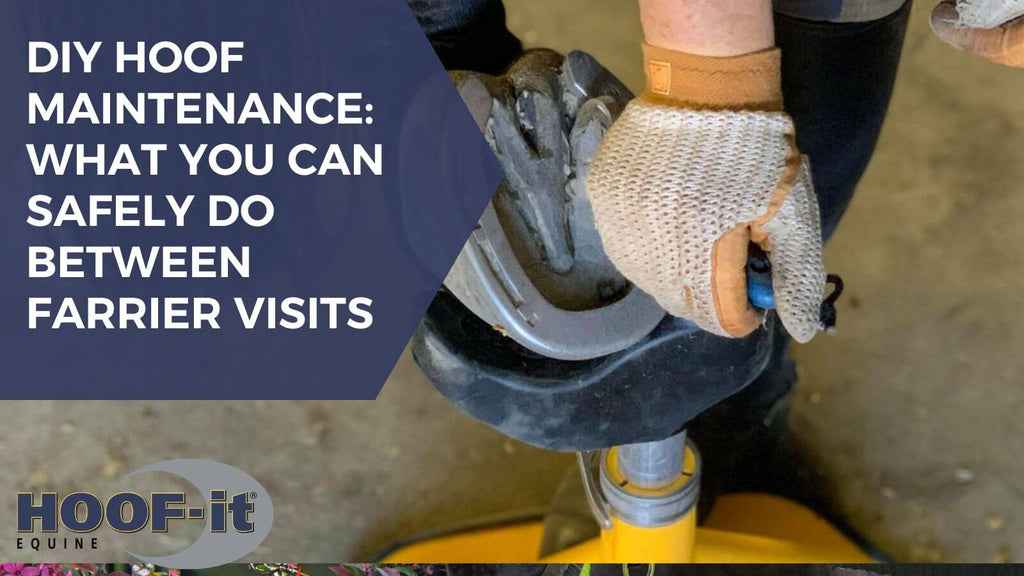
Caring for your horse’s hooves is not just about routine trimming and shoeing; it’s about creating a foundation for long-term health and performance. At the heart of this essential care lies the hoof stand—a tool that has revolutionized farrier work and equestrian hoof maintenance. By providing stability, comfort, and efficiency, a hoof stand transforms the way we handle hoof care, ensuring both the horse and handler experience less strain and greater safety.

In this comprehensive guide, we explore the importance of hoof stands, their benefits, design features, and why investing in a high-quality stand can make a remarkable difference in equine health.


Why a Hoof Stand is Essential for Hoof Care

Every horse owner knows the saying: “No hoof, no horse.” The hoof is the foundation of the animal’s body, and its health directly impacts mobility, balance, and overall well-being. A hoof stand supports this vital care by:

  • Reducing strain on the horse: By lifting and supporting the hoof, the stand allows horses to remain balanced and comfortable.

  • Improving farrier efficiency: Farriers can trim, rasp, and shoe with precision without the awkward balancing act.

  • Enhancing safety: A stand minimizes the risk of sudden jerks or slips, protecting both horse and handler.

  • Promoting long-term hoof health: Consistent, stress-free hoof care helps prevent lameness, cracks, and imbalances.


Key Benefits of Using a Hoof Stand

1. Comfort for Horses

When hooves are handled without proper support, horses often shift, pull, or resist. A hoof stand provides a secure platform, aligning the leg in a natural position. This reduces muscle fatigue and makes the experience less stressful.

2. Ergonomic Support for Farriers

Farriers often endure long hours bent over horses. A stand allows them to work at a comfortable height, reducing back strain and fatigue. This not only protects the farrier’s health but also increases productivity.

3. Versatility in Hoof Care Tasks

Modern stands are designed for multiple uses:

  • Cradle Position for hoof rasping and finishing.

  • Post Position for nailing and shoe adjustments.

  • Front and Hind Hoof Support without switching between multiple tools.

4. Improved Precision

A stable hoof means smoother trims and more accurate shoe placement. Over time, this ensures better hoof balance and improved gait performance.


Features to Look for in a Quality Hoof Stand

Not all hoof stands are created equal. Choosing the right one involves looking at durability, usability, and adaptability. Essential features include:

  • Heavy-Duty Base: Wide and weighted bases provide stability even with larger breeds.

  • Adjustable Height: Flexibility ensures comfort for different horse sizes and farrier preferences.

  • Replaceable Hoof Rests: Quality stands offer interchangeable posts and cradles for different tasks.

  • Non-Slip Surface: Rubber or textured grips prevent hoof slippage.

  • Lightweight, Yet Strong Construction: Materials like steel or reinforced composites strike the perfect balance between portability and strength.


How a Hoof Stand Improves Horse Performance

A healthy hoof means a healthy horse. When hooves are regularly and properly maintained using a stand, horses experience:

  • Improved balance and gait due to even trimming.

  • Reduced risk of injuries from cracks, flares, or imbalances.

  • Enhanced athletic performance in disciplines like jumping, dressage, or barrel racing.

  • Greater longevity by minimizing wear and stress on joints and ligaments.


Hoof Stand vs. Traditional Hoof Handling

Traditionally, farriers and owners held hooves between their legs or bent over to support them manually. While this method works, it places unnecessary strain on both horse and human. The hoof stand advantage lies in:

  • Efficiency: Faster transitions between hooves and tasks.

  • Safety: Less risk of dropped hooves or sudden kicks.

  • Consistency: Better angle control for trimming and shoeing.


Using a Hoof Stand: Best Practices

To maximize the benefits of a hoof stand, follow these steps:

  1. Place the stand on a flat surface to ensure stability.

  2. Adjust the height so the hoof rests comfortably without forcing the leg into an unnatural angle.

  3. Use the post cradle for front hooves when rasping or finishing.

  4. Switch to the post for hind hooves during shoeing or nailing.

  5. Keep sessions calm and consistent, allowing the horse to trust the process.

Regular practice helps both horse and handler adapt quickly, making hoof care smooth and stress-free.


Investing in the Right Hoof Stand

When it comes to choosing a stand, durability and versatility are paramount. Cheaper alternatives may bend, slip, or break under pressure. High-quality stands, on the other hand, are designed with professional farriers in mind, ensuring they can handle years of daily use.

A premium stand may cost more initially, but the return on investment comes in the form of:

  • Fewer replacements over time.

  • Better hoof care results.

  • Reduced risk of injury and strain.


Why Professional Farriers Recommend Hoof Stands

Professional farriers around the world rely on hoof stands for one simple reason: they make the job safer, faster, and more effective. Whether working on performance horses, working breeds, or pleasure companions, a hoof stand creates a consistent, professional outcome every time.


Conclusion: Elevating Hoof Care Standards

A hoof stand is more than a convenience—it’s an essential piece of equipment for anyone serious about equine hoof health. By supporting both horse and farrier, it elevates the standard of care, improves performance, and extends the longevity of equine athletes and companions alike.

Investing in a reliable, well-designed hoof stand is an investment in your horse’s health and your own efficiency. Whether you are a professional farrier or a dedicated horse owner, the benefits of incorporating a hoof stand into your routine are undeniable.

Read more →

High-Low Syndrome: The #1 Hoof Concern That Deserves Your Attention

High-Low Syndrome: The #1 Hoof Concern That Deserves Your Attention

When it comes to hoof health, not all hooves are created equal—literally. One of the most searched and talked-about issues in the hoof care world is high-low syndrome, and for good reason. It topped the charts in 2013, pulling in 45% more search interest than the next most common hoof topic. That kind of attention tells us one thing loud and clear: horse owners are noticing an imbalance—and they’re concerned.

So, what exactly is High-Low Syndrome?

High-low syndrome refers to a horse with asymmetrical front hooves—typically one “high” or upright hoof (often a mild club foot) and one “low” or flat, underrun hoof. It's easy to miss in the beginning, especially if you're not looking for it. But over time, that uneven loading of the limbs can lead to more serious issues like lameness, joint strain, and body imbalance.

Let’s break it down:

  • High Hoof: More upright with a steeper heel angle. Often looks boxier. This is your “clubby” foot.

  • Low Hoof: Flatter, with lower or underrun heels that often crush forward. This hoof takes on more of the concussion and load.

Why Does It Happen?

It’s not always a trimming mistake—although improper farrier work can worsen the problem. Often, high-low develops from:

  • Natural limb dominance (just like we’re right- or left-handed!)

  • Uneven shoulder development

  • Injury compensation

  • Poor hoof growth or imbalanced wear

  • Conformation inherited from mom or dad

What to Watch For

  • One hoof noticeably steeper or more upright than the other

  • Shoulder asymmetry

  • Uneven wear on horseshoes

  • A short-strided gait on one side

  • Intermittent lameness or stiffness

Why You Shouldn’t Ignore It

High-low syndrome is more than a cosmetic difference. Left unchecked, it can strain the DDFT (Deep Digital Flexor Tendon), lead to navicular issues, and affect overall performance. Many performance horses with chronic front-end lameness show signs of this syndrome—often years before a diagnosis is made.

HOOF-it®’s Pro Tips for Tackling High-Low

  1. Schedule regular, balanced trims every 4–6 weeks. Your farrier should be working to support proper heel height and toe length on each foot.

  2. Use a hoof stand when picking out and treating hooves—this helps you and your farrier stay accurate with less fatigue.

  3. Support hoof health nutritionally with a quality hoof supplement—because uneven hooves are often growing unevenly, too.

  4. Track your horse’s stance and gait. Videos can help you catch subtle imbalances early.

  5. Work with a team—farrier, vet, and bodyworker—especially for horses already showing signs of discomfort or compensation.

The Bottom Line

High-low syndrome isn’t a death sentence, but it is a wake-up call. And the fact that it remains one of the most-searched hoof issues year after year tells us horse owners are seeking answers.

With early intervention and thoughtful hoof care—HOOF-it style—you can give your horse the balance and support they need to stay happy, healthy, and sound.

Read more →

Slow Hoof Growth? Here's What You Can Do

Slow Hoof Growth? Here's What You Can Do

If your horse’s hooves seem to be growing at a snail’s pace, you’re not alone. Many horse owners find themselves wondering, “Why are we still looking at the same chipped toe I saw last month?” Healthy hoof growth is essential not only for your farrier’s sanity but more importantly, for your horse’s soundness and overall well-being.

Let’s dive into the why—and more importantly, the what you can do about it.

First, What’s Normal?

On average, a healthy hoof grows about ¼ to ⅜ of an inch per month. That means it can take nearly a year to grow an entirely new hoof wall. But a lot of factors can slow that down: diet, circulation, genetics, environment, and even seasonal changes.

Here’s How to Help Hooves Grow Stronger and Faster:

1. Feed the Foot

You can’t build a barn without lumber—and hooves are no different. Biotin, methionine, zinc, and copper are key players in hoof health. Look for hoof supplements specifically formulated to support growth and structure. Your vet or farrier can help you choose a quality one, or check out our go-to favorites in the Hoof-it 

2. Boost Circulation

Movement is magic. Horses that live in small spaces with limited turnout tend to have slower hoof growth. Why? Circulation matters. Every step your horse takes helps push blood into the foot, delivering the nutrients needed for growth. Daily turnout or hand-walking can make a big difference.

3. Hydration + Moisture Balance

Dry, brittle hooves are more likely to chip and crack, which can lead to more trimming than growing. Use a natural hoof dressing to help maintain moisture, especially in dry climates or during peak summer heat.

4. Check the Trim Schedule

Ironically, skipping farrier visits doesn’t help hooves grow faster. Regular trims every 6–8 weeks keep the hoof balanced and stimulate healthy growth. Think of it like trimming split ends on hair—neat edges promote healthier, faster growth.

5. Protect the Sole

If your horse is tender-footed or walking on rocky terrain, consider protective hoof boots or shoes. When a horse is uncomfortable, they tend to move less—and less movement means less growth. Temporary protection can help support long-term progress.

One More Thing: Be Patient

Hoof growth takes time. If your horse has had an injury, poor nutrition, or hoof damage in the past, it may take months to truly see the effects of positive changes. But stick with it—you can grow a better hoof with the right plan.


Need help choosing a supplement or thinking about a better trimming strategy? Drop us a line. At Hoof-it®, we’re all about keeping horses sound, one step at a time.

Shop hoof health tools and supplements ➝ hoof-it.com

Read more →

🌿 How to Strengthen Horse Hooves Naturally

🌿 How to Strengthen Horse Hooves Naturally

Because no one wants a wobbly wheel on a four-legged Ferrari

If you’ve ever looked at your horse’s hooves and thought, “These are more flapjack than fortress,” you’re not alone. Cracks, chips, soft soles, and the dreaded thrush—it’s enough to make a rider want to wrap her pony’s feet in bubble wrap. But take heart, my dirt-loving friend, because today we’re talking about how to strengthen horse hooves naturally—without lab coats or complicated potions.

🥕 1. Feed Those Feet from the Inside Out

No amount of magic goo will fix a hoof that’s starving for nutrition.

Start with a balanced diet rich in biotin, methionine, zinc, and omega-3s. You don’t need a degree in equine nutrition, just a good-quality feed and maybe a smart supplement. Redmond’s Mineral Salt? Yes. Whole flaxseed or chia? Absolutely. And don't forget clean water—hydration helps more than you think.

🐴  “A shiny coat and strong hooves often walk out of the same feed bucket.”

🚶 2. Let Them Move

A horse who moves is a horse who grows better feet. Period.

Whether it’s turnout, hand-walking, or gently working over mixed terrain, movement stimulates circulation, frog function, and hoof growth. Barefoot horses especially benefit from walking on varied surfaces like pea gravel, sand, or even packed dirt.

🐴 “Think of it as a gym membership for your horse’s feet—minus the sweaty towels.”

🧼 3. Keep Those Toes Clean

Wet stalls and muddy paddocks are the enemy of strong hooves. So keep things tidy.

Pick hooves daily and use natural treatments to stay ahead of thrush. A little apple cider vinegar rinse or a dab of tea tree oil mixed with coconut oil goes a long way in keeping the funk away—naturally, of course.

🐴 “Nature doesn’t love a swamp, and neither do your horse’s feet.”

🪵 4. Use Natural Hoof Conditioners—But Don’t Overdo It

The key here is balance, not slather.

Look for products with pine tar, beeswax, or lanolin. These seal in moisture without turning your horse’s hooves into soggy pancakes. And remember—skip the shiny show stuff that smells like a science project.

🐴 “If it makes your nose wrinkle, it’s probably not hoof-friendly.”

🔨 5. Stay on a Good Trimming Schedule

There’s no miracle stronger than a well-timed, balanced barefoot trim.

Find a farrier or trimmer who understands natural hoof balance, and stick to a schedule. Regular maintenance helps hooves grow out stronger, with fewer flares, cracks, or imbalances.

🐴 “Mother Nature made the hoof a miracle. Let’s not mess it up with bad angles.”


💚 Wrapping It Up: Strong Hooves, Happy Horse

Learning how to strengthen horse hooves naturally is about creating the kind of life your horse’s feet love. It’s good food, daily movement, clean living, and trimming with intention. Add a little patience and a lot of love—and you’ve got the makings of hooves that can carry dreams, gallops, and maybe even a blue ribbon or two.

Read more →

🐎 The Best Hoof Stand for Trimming Horses (And Why Your Back Will Thank You)

🐎 The Best Hoof Stand for Trimming Horses (And Why Your Back Will Thank You)

If you've ever tried to trim a horse's hoof without a proper stand, chances are your lower back remembers the experience better than your horse does. Whether you’re a professional farrier, a weekend trimmer, or just trying to keep your gelding’s toes tidy between visits, finding the best hoof stand for trimming horses can be a total game-changer.

Let’s dive into what makes a hoof stand “the best,” and which features are worth every penny (and then some hay money).


Why You (and Your Horse) Need a Hoof Stand

First things first: hoof stands aren’t just for pros. If you’ve ever tried the awkward yoga pose that is "lift the hoof, balance it on your thigh, and somehow file," you’ll know why hoof stands were invented.

Benefits of a good hoof stand:

  • Back-saving: Keeps you from bending in impossible ways

  • Horse-friendly: Helps your horse relax and balance

  • Safety boost: Reduces the risk of getting bumped or pulled off balance

  • Efficiency: Makes your trimming faster and more consistent


What to Look for in the Best Hoof Stand for Trimming Horses

Not all hoof stands are created equal. Here’s what to check before buying:

1. Adjustability

Horses come in all shapes and sizes—from stout ponies to lanky warmbloods. You’ll want a stand that adjusts easily so it works for all of them.

2. Cradle + Post Combo

The best stands offer both a cradle (for rasping and hoof support) and a rubber-topped post (for finishing and detail work).

3. Stability

Wide bases and anti-slip feet are key. A wobbly stand makes everyone nervous.

4. Durability

It should survive barn life: mud, dust, and a curious colt who thinks it’s a chew toy.

5. Weight & Portability

If you travel, lightweight but strong materials like aluminum or composite are great. If you stay put, you can go heavier-duty.


⭐ Our Top Pick: HOOF-it® Blacksmith Hoof Stand

When it comes to comfort, function, and farrier-friendly design, the HOOF-it® Blacksmith Hoof Stand ticks all the boxes—and then some.

Here’s why it stands out:

Dual Function – Comes with a supportivePost for front hoof work and a sturdy rubber cradle for hind feet.
Fully Adjustable – Accommodates everything from mini hooves to draft horse giants.
Rock-Solid Base – Won’t tip or slide, even on slick barn floors.
Built Tough – Designed by professionals, this stand can take a beating and still look good in your grooming bay.

Whether you're trimming a few horses at home or servicing a busy schedule of client barns, the HOOF-it® stand is truly the best hoof stand for trimming horses—especially if you value function, comfort, and gear that lasts.

🛒 Check it out here

Available on Amazon!  


Tips for First-Time Users

Start slow. Let your horse sniff and inspect the stand first. Practice picking up the hoof and placing it gently on the cradle. Reward often. If you're trimming solo, make sure your horse is calm, the area is safe, and you’ve got everything you need nearby—rasp, knife, and maybe a cookie or two.


Final Thoughts

Investing in the best hoof stand for trimming horses isn’t just about tools—it’s about making hoof care safer, easier, and more comfortable for everyone involved. Your horse will thank you, your back will thank you, and hey, even your farrier might give you a gold star.

Got questions about the HOOF-it® Hoof Stand? Drop us a comment or shoot us a message—we’re here to help keep your horse’s hooves (and your spine) happy!

Read more →

How to Treat Thrush in Horse Hooves Naturally (Without Harsh Chemicals or Drama)

How to Treat Thrush in Horse Hooves Naturally (Without Harsh Chemicals or Drama)

 You know that smell. That unmistakable, nose-wrinkling what-is-that-even kind of stink that wafts up when you pick out your horse’s hoof. Yep. Thrush. Again.

If you’ve been there (and haven’t we all?), don’t panic. You don’t have to run to the tack store for a bottle of blue goo with an ingredients list longer than a cross-country course. There are gentle, natural ways to treat thrush—and most of them might already be hiding in your barn or kitchen.

Here’s how to treat thrush in horse hooves naturally, with no harsh chemicals, no drama, and no side-eye from your barefoot trimmer.


First, Let’s Talk About What Thrush Is

Thrush is a bacterial (and sometimes fungal) infection that usually sets up shop in the frog—especially in the crevices near the sulcus and heels. It loves wet, mucky environments, like a stall that never fully dries or a paddock that turns into a swamp every winter.

The main signs?

  • A funky smell (like rotting cheese and regret)

  • Black, gooey discharge

  • A deep, tender sulcus that might bleed when cleaned

  • Your horse acting ouchy when you poke around the frog


🌿 Natural Ways to Treat Thrush

1. Clean Clean Clean

Start by picking out the hoof every day—twice a day if you can swing it. Use a sturdy hoof pick and a stiff brush to scrub the frog clean. Even better? Rinse with a little warm water and dry thoroughly with a towel before applying any treatments.

🐴 Barn Hack: An old toothbrush makes a great crevice scrubber. Just don’t mix it up with your own.


2. Apple Cider Vinegar Rinse

Apple cider vinegar (ACV) is naturally antibacterial and antifungal. Mix 1 part ACV with 2 parts water in a spray bottle. After cleaning the hoof, spray the affected area generously and let it soak in.

Use daily until the smell is gone and the frog looks healthy again.


3. Essential Oils to the Rescue

A few drops of tea tree oil or oregano oil mixed with a carrier like coconut oil can zap thrush without burning sensitive tissues. Apply with a cotton ball or dropper, especially deep into the sulcus. (Just be cautious—these oils are strong, so a little goes a long way.)

🌼 Want a pre-mixed blend? Look for natural thrush treatments that list ingredients like calendula, comfrey, or neem oil.


4. Keep Those Feet Dry

Thrush thrives in moisture, so if your horse lives in a soggy stall or paddock, try adding pine shavings, straw, or dry mats to give hooves a break from the wet. A dry environment is half the battle.


🧼 Bonus: Homemade Thrush Powder

Mix equal parts of the following:

Sprinkle it on the cleaned hoof once a day. It dries, detoxes, and disinfects—all while making you feel like a barn witch in the best way.


🐎 Prevention is Everything

Once you’ve beaten back the beast, keep it away by:

  • Cleaning hooves daily

  • Keeping stalls dry

  • Feeding a balanced diet (hooves grow from the inside out!)

  • Scheduling regular trims so bacteria can’t hide


Final Thoughts

Natural doesn’t mean less effective—especially when it comes to thrush. With a little consistency, some barn-friendly remedies, and a bit of elbow grease, you can kiss the stink goodbye (and keep your horse’s feet happy).

Got a favorite natural thrush remedy or hoof care routine? Drop it in the comments—we’re always trading tips in the tack room.

Read more →

Happy Hooves, Happy Horses: A Down-to-Earth Guide to Hoof Care

Happy Hooves, Happy Horses: A Down-to-Earth Guide to Hoof Care

Let’s talk feet. Not your feet—though let’s be honest, they could probably use a good soak after that last schooling session—but your horse’s. Because when it comes to keeping your equine partner sound, safe, and strutting like a runway model at the next show, hoof care is everything.

No Hoof, No Horse… Seriously

That old saying? It’s not just barn talk. Your horse’s hooves are like the foundation of a house—if they’re not solid, everything above them starts to wobble. Whether your horse is galloping cross-country, dancing in dressage, or just toodling down the trail, their hooves take a beating. That’s why regular hoof care isn’t just a good idea—it’s non-negotiable.

What Does Good Hoof Care Actually Look Like?

Here’s your quick, not-too-scientific, totally practical hoof care checklist:

🧹 Daily Pick-Outs

Yes, every day. Even if you’re just planning a quick bareback hack, those hooves need a pick-me-up. Packed-in mud, sneaky pebbles, or even that mystery gunk from the pasture can cause bruising or abscesses. And picking gives you a front-row seat to anything funky—thrush, cracks, or that tell-tale “uh-oh” smell.

✂️ Regular Trims (Or Shoes!)

Depending on your horse’s job, lifestyle, and those all-important genetics, your farrier should be stopping by every 6 to 8 weeks. Hooves grow like fingernails (only faster when you don’t want them to), and keeping them balanced helps prevent injuries from the ground up.

Barefoot vs. Shoes: Totally personal. Some horses thrive barefoot, others need a little extra help. Chat with your farrier and vet—they’re the dream team for hoof decisions.

🌧️ Moisture Matters

Too dry? Cracks. Too wet? Soft soles and thrush. It’s all about balance. In summer, you might need to moisturize (think hoof conditioner, not cucumber eye masks). In wet weather, stable time or dry footing can help.

🧴 Treat That Thrush!

Stinky, black goo in the frog crevices? That’s thrush, and it’s as gross as it sounds. But good news: it’s treatable. Clean, dry feet and a simple thrush remedy can turn it around in a flash. And bonus—most horses love the attention.

🥕 Feed the Feet

Hooves are made of keratin (yep, like your nails), so what your horse eats totally shows up in their hoof health. Look for feeds or supplements rich in biotin, zinc, methionine, and omega-3s. It’s basically a spa treatment from the inside out.

Signs Something’s Off

Keep an eye out (and a nose out too, honestly) for:

  • Cracks or chips that get worse, not better

  • Heat or digital pulses in the hooves

  • Lameness, toe-first landing, or short-striding

  • Odors that make you step back and go, “Whoa”

If you see (or smell) any of that, call your farrier or vet ASAP. Horses can’t say “ow,” but they sure can limp, loaf, and give you that look.

Tools of the Trade

You don’t need a farrier's truck to keep your horse’s feet in good shape at home. Here's your hoof care starter kit:

Final Thought: Love the Feet

Taking care of your horse’s hooves isn’t glamorous. It’s not the sparkle spray or the braids. But it’s real, grounding (literally) love. Hoof care is one of those quiet, behind-the-scenes things that says: I see you, buddy. I’ve got your back. (And your feet.)

So here’s to fewer chips, happy frogs, and that perfect little “clip-clop” sound as you walk into the ring like the star you are.

Read more →