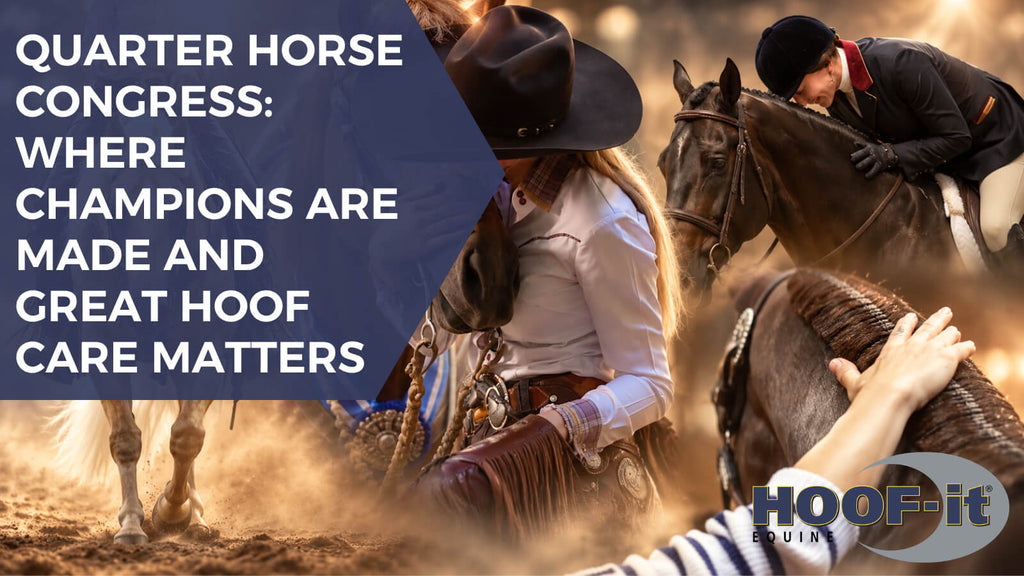
The 2026 All American Quarter Horse Congress: Where Champions Are Made and Great Hoof Care Matters

The 2026 All American Quarter Horse Congress: Where Champions Are Made and Great Hoof Care Matters


The world's largest horse show brings together thousands of horses, top trainers, farriers, and equine professionals. Behind every winning performance is a team dedicated to keeping those horses sound, comfortable, and ready to compete.

Every fall, Columbus, Ohio, becomes the center of the Quarter Horse universe. Thousands of horses arrive, trainers put the finishing touches on months of preparation, and competitors get ready for one of the most prestigious events in the equine industry.

The 2026 All American Quarter Horse Congress, held September 26 through October 24 at the Ohio Expo Center, is more than just a horse show. It's a celebration of exceptional horsemanship, equine athleticism, and the professionals who help keep these remarkable horses performing at their best.

And while the spotlight may shine on the horses and riders collecting championship titles, there's another group of professionals whose work makes it all possible: farriers and hoof-care specialists.

At HOOF-it®, we understand that great performances start from the ground up.

The largest horse show in the world

Organized by the Ohio Quarter Horse Association, Congress has grown into the world's largest horse show since its beginnings in 1967.

The numbers tell an impressive story.

28,000+

Annual horse show entries

500,000+

People attracted to the Columbus area

$5M+

Cash and prizes awarded

200

Approximate trade show exhibitors

Organizers' published annual figures. Horse show entries are class entries rather than individual horses.

Competitors travel from across the country and beyond, bringing horses that have spent months, sometimes years, preparing to compete at this level.

For many owners, trainers, and amateur riders, earning a Congress championship is a career-defining achievement.

But behind every championship run is an enormous amount of work that happens long before a horse enters the arena.

One breed, many disciplines, different hoof-care demands

One of the things that makes Congress remarkable is the versatility of the American Quarter Horse.

Throughout the event, spectators can watch everything from reining and ranch riding to Western Pleasure, trail, cutting, and English competitions.

Each discipline requires different athletic movements—and those movements place different demands on a horse's feet.

Reining: Powerful sliding stops, spins, and rapid changes of direction require carefully considered hoof balance and appropriate traction. Specialized sliding plates are commonly used on the hind feet of reining horses.

Western Pleasure: Smooth, consistent movement is the goal. Regular, thoughtful hoof care helps support comfort and soundness as horses work to produce balanced, controlled gaits.

Ranch Riding and Trail: Horses navigate transitions, obstacles, and varied maneuvers. Good hoof maintenance and suitable traction help them work confidently and comfortably.

Hunter Under Saddle and Working Hunter: Forward movement, rhythm, and correct balance are important. Appropriate trimming and shoeing or barefoot management can support comfortable, athletic movement.

The important lesson? There is no single hoof-care solution that fits every horse or every discipline.

A skilled farrier evaluates the individual horse, its conformation, workload, hoof condition, and movement before determining the most appropriate approach.

And at the Congress level, those details matter.

The farrier: An essential member of the championship team

When spectators see a beautifully turned-out Quarter Horse moving effortlessly around the arena, they naturally admire the training, athleticism, and partnership between horse and rider.

What they may not see are the countless hours of work that make that performance possible.

Regular hoof maintenance is a critical part of keeping a performance horse comfortable and sound.

Farriers and hoof-care professionals work closely with owners, trainers, and veterinarians to evaluate hoof balance, address wear patterns, maintain appropriate trimming or shoeing schedules, and identify potential problems before they become more serious.

At an event like Congress, where horses may compete in multiple classes over several days or weeks, preparation becomes especially important.

A loose shoe, damaged hoof wall, or developing hoof soreness can disrupt months of training and jeopardize a horse's ability to compete comfortably.

That's why hoof care shouldn't be an afterthought.

A championship performance doesn't begin when the horse enters the arena. It begins with the everyday care that gets the horse there.

Different horses. Different feet. One common goal.


One of the most important things to remember about hoof care is that it's never a one-size-fits-all process.

Some performance horses benefit from specialized shoes designed for their discipline. Others may compete successfully barefoot, depending on their hoof quality, environment, workload, and individual needs.

Reining horses, for example, often use specially designed sliding plates to allow the controlled slide required in their sport.

Other disciplines may call for different shoeing configurations, while some horses can perform comfortably without shoes.

There are also horses that benefit from therapeutic hoof-care approaches developed in cooperation with their veterinarian.

Regardless of the method, the goal remains the same: to support hoof health, soundness, and the horse's long-term well-being.

And achieving that goal requires experience, good judgment, the right tools, and a willingness to adapt to each horse.

Taking care of the professionals who take care of our horses

Being a farrier is physically demanding work.

Day after day, hoof-care professionals spend hours bending, lifting, balancing hooves, and working in positions that can place significant strain on their backs, shoulders, hands, and knees.

Add in horses of different sizes, temperaments, and training levels, and it's easy to understand why good equipment matters.

That's where thoughtful tool design can make a meaningful difference.

At HOOF-it®, our focus has always been on developing practical hoof-care equipment that helps farriers and horse owners work more efficiently while supporting better working ergonomics.

Our HOOF-it® Blacksmith Hoof Stand provides a stable, adjustable platform for hoof-care work.

And our innovative PostCradle™ attachment combines post and cradle functionality into one convenient system.

Instead of repeatedly removing and swapping attachments, farriers can transition between the two support positions with a simple quarter-turn.

It's a small change that can make a meaningful difference during a long working day.

After all, farriers already have enough to manage without constantly changing equipment.

Designed for practical, efficient hoof care—from regular maintenance to professional farrier work.

Explore HOOF-it® hoof-care equipment

Congress: A gathering place for the entire equine industry

While the competition draws much of the attention, Congress is also an important gathering place for equine businesses, equipment manufacturers, trainers, and horse-care professionals.

The 2026 Congress Trade Show covers more than 20 acres of indoor and outdoor space, with approximately 200 exhibitors offering everything from saddles and tack to barn equipment, trailers, apparel, and equine products.


For horse owners and industry professionals alike, it's an opportunity to discover new products, compare equipment, connect with manufacturers, and learn about developments throughout the horse industry.

Events like Congress also reinforce an important point: caring for performance horses takes a team.

Trainers, veterinarians, farriers, nutrition specialists, barn managers, and equipment suppliers all contribute to keeping horses healthy and prepared for competition.

As the equine industry continues to evolve, products and practices that improve efficiency, safety, and horse welfare will remain an important part of that conversation.

The importance of hoof care beyond the show ring

You don't have to own a Congress champion to appreciate the value of quality hoof care.

Whether your horse competes at the highest levels, works cattle, enjoys weekend trail rides, or spends its days in the pasture, regular hoof maintenance plays an essential role in its overall health.

A few simple principles apply to virtually every horse:

  • Maintain an appropriate trimming or shoeing schedule based on the individual horse's hoof growth, wear, and needs.

  • Work with a qualified hoof-care professional who understands your horse's discipline and environment.

  • Check hooves regularly for changes such as cracks, loose shoes, unusual wear, heat, or tenderness.

  • Address developing problems promptly instead of waiting for them to become major issues.

  • Invest in appropriate equipment and safe working practices for both the horse and the person performing hoof care.

The level of competition may change, but the importance of healthy feet never does.

The HOOF-it® takeaway: Champions are built from the ground up

As the 2026 All American Quarter Horse Congress continues in Columbus, we'll be celebrating the horses, riders, trainers, and everyone behind the scenes who makes this extraordinary event possible.

Particularly the farriers.

Because while the world may see a champion performing in the arena, we know the foundation of that performance has been carefully maintained, one hoof at a time.

Whether you're preparing a horse for a Congress championship or simply making sure your favorite trail partner is comfortable for the weekend, hoof care matters.

At HOOF-it®, we're proud to support the professionals and horse owners who put that care into practice every day.

Great horses deserve great hoof care. And great hoof-care professionals deserve equipment designed with their work in mind.

Here's to all the 2026 Congress competitors—and to the dedicated hands that help keep those horses on their feet.

— The HOOF-it® Team

Built for the work. Designed for the horse.

Explore our hoof stands and innovative PostCradle™ system at www.hoof-it.com.


2026 Congress event information

Dates

September 26 – October 24, 2026

Location

Ohio Expo Center, Columbus, Ohio

Host

Ohio Quarter Horse Association

Admission

Free general admission; select special events require tickets

Official website

QuarterHorseCongress.com

Livestream

Watch Congress live

Read more →

Fall Prep for Winter Horse Care: A Practical Checklist for Horse Owners

Fall Prep for Winter Horse Care: A Practical Checklist for Horse Owners

Read more →

The Burghley Horse Trials: Where Courage, Tradition, and Great Horsemanship Meet

The Burghley Horse Trials: Where Courage, Tradition, and Great Horsemanship Meet

Explore the legendary Burghley Horse Trials and learn how proper hoof care, removable studs, and the HOOF-it® Hoof Stand help event horses prepare for challenging terrain.

Read more →

Foal’s First Hoof Trim: Starting on the Right Foot

Foal’s First Hoof Trim: Starting on the Right Foot

Learn when a foal should receive its first hoof trim, how to prepare, what to expect, and how early hoof care supports healthy development.

Read more →

Equine Fire Safety: Plan Today, Hope You Never Need It

Equine Fire Safety: Plan Today, Hope You Never Need It

Every year, wildfires threaten horse owners across the country. Whether you live in California, Nevada, Oregon, Colorado, Texas, or anywhere else where fire is a possibility, one thing is certain: the time to prepare is before you see smoke on the horizon.

At HOOF-it®, we're all about helping horses stay safe and comfortable. While we spend most of our time talking about hoof care, there's another part of responsible horse ownership that deserves just as much attention—being ready for an emergency.

The goal isn't to live in fear.

It's to have a plan and hope you never need it.

Build an Evacuation Plan Before Fire Season

Ask yourself these questions today—not when an evacuation order has already been issued.

  • Where will your horses go if you have to leave?
  • Do you have more than one evacuation destination?
  • Is your trailer roadworthy and ready to go?
  • Who can help if you're at work or out of town?
  • Do your horses load easily?

The answers to these questions can save valuable time when every minute matters.

Practice Loading Your Horses

One of the biggest challenges during an evacuation is loading horses that haven't been in a trailer for months—or years.

Spend a few minutes every few weeks practicing loading and unloading. Make it a positive experience with plenty of praise and patience.

A calm horse is much easier to evacuate than one that's frightened and unfamiliar with the trailer.

Keep Your Trailer Ready

Your trailer should never become a storage unit during fire season.

Check:

  • Tire pressure and tread
  • Trailer brakes and lights
  • Breakaway battery
  • Hitch and safety chains
  • Spare tire and jack

Keep your truck fueled whenever fire danger is high. Gas stations may be closed or crowded during an evacuation.

Build a Horse Emergency Kit

Store emergency supplies where you can grab them in minutes.

Include:

  • Halters and lead ropes for every horse
  • Extra water buckets
  • Several days' worth of feed
  • Medications and supplements
  • Equine first-aid kit
  • Human first-aid kit
  • Flashlights and batteries
  • Phone chargers
  • Blankets if appropriate
  • Copies of registration papers, Coggins, vaccination records, and insurance information

Make Identification Easy

If horses become separated from you, identification is critical.

Consider:

Never rely on memory alone during an emergency.

Stay Connected

Sign up for your local emergency alert system and monitor fire conditions throughout fire season.

Follow:

  • Your county emergency management office
  • Local fire departments
  • Sheriff's office alerts
  • Weather updates

Don't wait for a mandatory evacuation if conditions are rapidly changing. Leaving early is almost always safer than waiting.

Work Together

Talk with your barn manager, neighbors, and horse friends before an emergency happens.

Create a plan for:

  • Who can haul whose horses
  • Available trailer space
  • Emergency contacts
  • Backup evacuation locations

A strong horse community can make all the difference.

A Final Thought

No one wants to imagine evacuating their horses. But taking a few hours to prepare today can save precious time—and potentially save lives—tomorrow.

At HOOF-it®, we know horse owners are planners by nature. We check feet, inspect tack, maintain trailers, and care for our horses every day. Emergency preparedness is simply another part of good horsemanship.

We sincerely hope your evacuation plan gathers dust and is never needed.

But if the day comes, you'll be grateful you took the time to prepare.

Plan now. Stay ready. Hope you never have to use it.

Read more →

Keeping Barn Flies at Bay: Simple Ways to Create a Happier, Healthier Barn

Keeping Barn Flies at Bay: Simple Ways to Create a Happier, Healthier Barn

There are few things more frustrating than walking into the barn on a beautiful summer morning only to be greeted by a swarm of flies. Not only are flies annoying, but they can also stress horses, spread disease, irritate wounds, and make barn chores miserable for everyone.

The good news? Keeping fly populations under control doesn't require harsh chemicals or expensive equipment. A combination of good barn management and a few smart strategies can make a huge difference.

Why Flies Love Your Barn

Barns offer everything flies need to thrive:

  • Fresh manure
  • Moist bedding
  • Standing water
  • Warm temperatures
  • Feed spills

A single housefly can lay hundreds of eggs during its lifetime, and under the right conditions, those eggs can become adult flies in as little as a week. That's why prevention is much easier than trying to eliminate a full-blown infestation.

1. Stay Ahead of Manure

The number one way to reduce flies is simple: remove manure frequently.

Cleaning stalls daily prevents flies from laying eggs and interrupts their breeding cycle before it starts.

Tips:

  • Pick stalls every day.
  • Keep manure piles as far from the barn as possible.
  • Cover manure piles or compost them properly.
  • Empty wheelbarrows after use.

Less manure means fewer flies.

2. Keep the Barn Dry

Flies love moisture almost as much as manure.

Reduce damp areas by:

  • Fixing leaking waterers
  • Repairing dripping hoses
  • Improving drainage
  • Removing wet bedding promptly
  • Eliminating standing water around the property

A dry barn is much less attractive to pests.

3. Don't Feed the Flies

Spilled grain and sweet feed are fly magnets.

After feeding:

  • Sweep up spilled grain.
  • Store feed in sealed containers.
  • Keep trash cans covered.
  • Rinse feed buckets regularly.

Good feed storage also helps keep rodents away.

4. Increase Airflow

Flies aren't strong fliers.

Barn fans create enough airflow to discourage flies from landing on horses while also helping keep horses cooler during hot weather.

Open windows and doors whenever possible to improve ventilation.

5. Use Fly Predators

Many horse owners have great success using beneficial insects called fly predators.

These tiny, harmless insects target fly pupae before adult flies emerge, helping reduce the next generation naturally.

They're safe for horses, pets, and people and work best as part of an overall fly management program.

6. Protect Your Horse

Even in a clean barn, some flies are inevitable.

Help your horse stay comfortable with:

  • Fly masks
  • Fly sheets
  • Fly boots
  • Fly sprays
  • Natural repellents

Different horses have different sensitivities, so experiment to find what works best.

7. Clean Water Buckets Often

Water buckets can become breeding grounds for insects and bacteria if neglected.

Wash buckets regularly and scrub away algae before refilling with fresh water.

Fresh water is healthier for your horse and less attractive to pests.

8. Mow Around the Barn

Tall weeds and overgrown grass provide ideal hiding places for flies during the hottest parts of the day.

Keeping grass trimmed around the barn improves airflow and removes places where insects like to gather.

9. Don't Forget Hoof Care

Fly season often coincides with muddy irigation conditions, making hoof care even more important.

Moisture, mud, manure, and bacteria create the perfect environment for problems like thrush and other hoof infections.

Picking out your horse's feet daily helps remove packed debris while giving you a chance to inspect for cracks, bruises, loose shoes, or signs of infection before they become bigger issues.

A quality hoof stand can make routine hoof cleaning and maintenance safer and more comfortable for both horse owners and professionals. With less bending and better positioning, regular hoof care becomes quicker and easier—especially during busy fly season.

A Cleaner Barn Is a Healthier Barn

There isn't a single miracle solution for fly control. The best results come from combining several small habits:

  • Clean stalls daily.
  • Remove manure promptly.
  • Keep bedding dry.
  • Store feed properly.
  • Improve airflow.
  • Use fly protection.
  • Stay consistent.

By staying ahead of the problem, you'll spend less time swatting flies and more time enjoying your horse.

Final Thoughts

Flies may be part of summer, but they don't have to take over your barn. A little daily maintenance goes a long way toward creating a cleaner, healthier environment for both horses and humans.

At HOOF-it®, we believe good horse care starts with the little things. Whether it's maintaining clean stalls, keeping hooves healthy, or making hoof care easier with innovative tools, every small step contributes to your horse's overall well-being.

Here's to fewer flies, healthier hooves, and more enjoyable days at the barn.

Read more →

Barn Hacks to Beat the Heat: Keep Your Horse Comfortable All Summer Long

Barn Hacks to Beat the Heat: Keep Your Horse Comfortable All Summer Long

Summer is one of the best times to enjoy long trail rides, horse shows, and evenings at the barn. But soaring temperatures can quickly become dangerous for both horses and humans if you're not prepared.

The good news? Keeping your horse cool doesn't require expensive equipment. A few smart barn hacks can make a huge difference in your horse's comfort, hydration, and overall well-being.

Here are some of our favorite ways to beat the heat this summer.


1. Freeze Your Horse's Favorite Treats

Create a giant horse "popsicle" by filling a bucket with water, apple slices, carrots, watermelon, or peppermint treats and freezing it overnight.

Not only does it provide a refreshing snack, but it also gives your horse a fun enrichment activity during the hottest part of the day.


2. Keep Water Cool Longer

Drop frozen gallon jugs or frozen 2-liter bottles into your water troughs. They'll slowly cool the water.

Remember to scrub troughs regularly. Horses are much more likely to drink from clean, cool water than warm, dirty water.


3. Maximize Airflow in the Barn

Good airflow is one of the most effective ways to reduce heat stress.

Try these simple improvements:

  • Install fans high enough that horses cannot reach them.
  • Open doors on opposite sides of the barn to create a cross breeze.
  • Remove clutter that blocks airflow through aisles.

Even a gentle breeze helps sweat evaporate more efficiently.


4. Ride During Cooler Hours

Early mornings and late evenings are your horse's best friend during summer.

If temperatures are climbing:

  • Shorten your rides.
  • Take frequent walk breaks.
  • Offer water before and after work.
  • Skip strenuous schooling during extreme heat.

Sometimes the smartest ride is an easy one.


5. Cool Horses the Right Way

After exercise, hose your horse thoroughly.

Focus on:

  • Neck
  • Chest
  • Between the hind legs
  • Legs

Use a sweat scraper after each rinse to remove the warmed water before applying fresh cool water. Repeat until your horse's breathing begins returning to normal.


6. Shade Matters More Than You Think

Portable shade structures, shade cloth, and mature trees can dramatically reduce the temperature in turnout areas.

If your horse spends time outside during the day, make sure they always have access to adequate shade.


7. Support Healthy Hooves During Summer

Many owners focus on hydration, but hot weather can affect hooves too.

Dry conditions can contribute to brittle hoof walls, while frequent wetting and drying can weaken the hoof over time.

Regular trimming and daily hoof cleaning help maintain healthy feet throughout the summer.

If you're a farrier or horse owner performing hoof maintenance, working with an ergonomic hoof stand can also reduce fatigue during those long, hot trimming sessions. The HOOF-it® Hoof Stand with the innovative PostCradle™ allows the hoof to move naturally while keeping both the horse and handler more comfortable throughout the trim.


8. Freeze Towels for Yourself

Don't forget about the person at the other end of the lead rope.

Freeze damp microfiber towels overnight and keep them in a cooler. They're perfect for cooling your neck after cleaning stalls or finishing a ride.

A hydrated horse needs a hydrated owner!


9. Watch for Signs of Heat Stress

Know when it's time to stop and cool your horse immediately.

Watch for:

  • Heavy breathing that doesn't improve
  • Excessive sweating—or no sweating at all
  • Weakness or lethargy
  • Elevated body temperature
  • Reluctance to move

If your horse isn't recovering after active cooling, contact your veterinarian right away.


Summer Is Meant to Be Enjoyed

With a little planning, summer can still be one of the most enjoyable seasons to spend time with your horse.

Keep fresh water available, provide plenty of shade, ride during cooler parts of the day, and stay on top of routine hoof care. A few simple habits go a long way toward keeping your horse healthy, comfortable, and ready for the next adventure.

At HOOF-it®, we're committed to making hoof care safer, easier, and more comfortable—for both horses and the people who care for them.

Stay cool, stay hydrated, and enjoy every ride this summer!


Quick Summer Barn Checklist

✔ Fresh, cool water available at all times

✔ Plenty of shade in turnout

✔ Fans providing good airflow

✔ Ride early or late

✔ Hose and scrape after exercise

✔ Clean hooves daily

✔ Keep trimming schedule on track

✔ Watch for signs of heat stress

✔ Stay hydrated—you matter too!

Read more →

7 Signs Your Horse Is Overdue for a Trim

7 Signs Your Horse Is Overdue for a Trim

Learn the seven most common signs your horse may be overdue for a hoof trim, including chipping, flaring, long toes, tripping, and changes in movement. Perfect for horse owners looking to keep their horses sound and comfortable.

Read more →

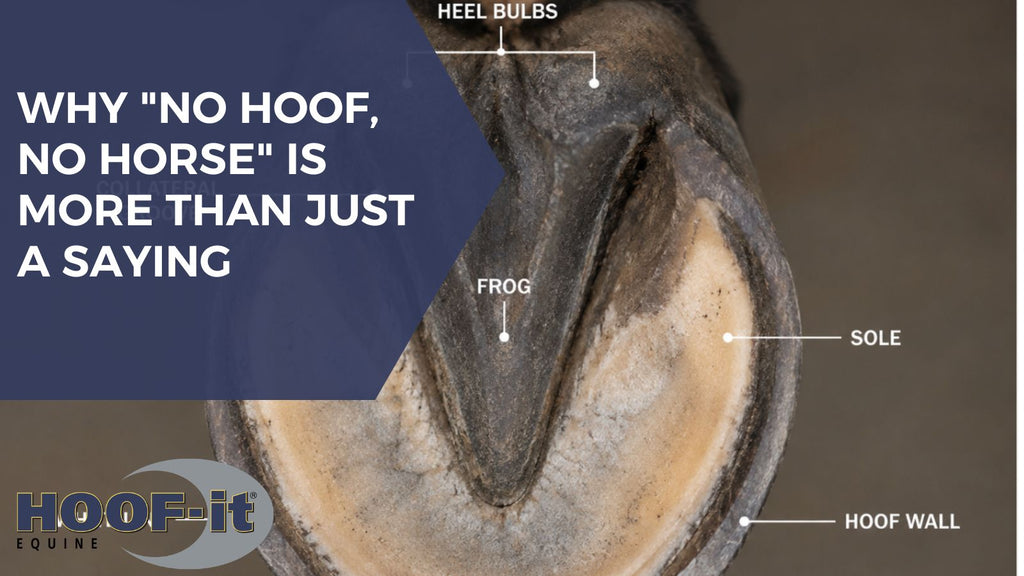
Why "No Hoof, No Horse" Is More Than Just a Saying

Why "No Hoof, No Horse" Is More Than Just a Saying

Discover why hoof health is the foundation of your horse's comfort, performance, and long-term soundness. Learn why the phrase "No hoof, no horse" still holds true today.

Read more →

DIY Hoof Maintenance: What You Can Safely Do Between Farrier Visits

DIY Hoof Maintenance: What You Can Safely Do Between Farrier Visits


Maintaining your horse’s hooves between farrier visits is essential for preventing problems and keeping your horse sound. Simple daily habits—like picking out hooves, checking for cracks or changes, managing moisture, and staying on a regular farrier schedule—can make a significant difference. While you should never replace professional care, being consistent with basic maintenance helps catch issues early and supports overall hoof health. Using the right tools, like the HOOF-it® hoof stand with PostCradle®, can make the process easier on your body and more manageable to keep up with regularly.

Read more →